10 Mistakes to Avoid When Buying a Digital Piano

Buying a digital piano can be exciting, but with so many options on the market, it’s easy to fall into a few traps that can lead to buyer’s remorse.
Over the years, I’ve made lots of errors when shopping for a new piano, from spending too much to focusing on the wrong features. So in in this guide, I’ll explore the most common mistakes people make and how to avoid them so you can find the right piano for your needs.
1. Ignoring the Importance of Weighted Keys

One of the biggest mistakes first-time buyers make is choosing a keyboard that doesn’t have fully weighted keys. Some cheaper models only offer semi-weighted or even unweighted keys, which might feel more like a computer keyboard than an actual piano.
Weighted keys better mimic the feel of an acoustic piano, and are critical for developing proper finger strength and technique.
For example, the Yamaha P-143 features Graded Hammer Compact (GHC) action, giving beginners a far more authentic playing experience compared to entry-level models like the Alesis Recital, which only provides semi-weighted keys.
2. Overlooking Key Action Quality

Even if a piano has weighted keys, that doesn’t guarantee a great feel when playing. Some lower-end digital pianos use noisy or stiff mechanisms that make playing less enjoyable and expressive.
Getting a piano with the best key action possible is critically important, so don’t dismiss this common buying mistake.
Here’s a quick comparison showing how the key action of three different portable digital pianos impacts the touch and response of the instrument:
| Model | Key Action Type | Notable Feature |
| Alesis Recital | Semi-Weighted | Entry-level, but not piano-like feel |
| Yamaha P-143 | Graded Hammer Compact | Lighter build but solid key realism |
| Roland FP-30X | PHA-4 Standard | Ivory feel, escapement, expressive touch |
If using a digital piano that best mimics the feel of an acoustic piano is your priority, then the Roland FP-30X offers industry-leading action at a competitive price ($750).
If you’re willing to spend more money, I recommend the Yamaha P-525, which features wooden keys and features a GrandTouch-S keyboard. This piano offers even more realism when playing, bringing you closer to the touch response of an acoustic piano.
3. Buying Based on Features Alone
It’s tempting to gravitate toward keyboards with hundreds of tones, flashy displays, or built-in light-up keys. But all those bells and whistles often come at the expense of what matters most: sound quality.
Sound engines like Roland’s SuperNATURAL or Yamaha’s CFX sampling are designed to replicate the tonal complexity of real pianos. That matters more than how many drum kits or synth sounds the keyboard offers.
The Korg B2, for instance, may offer fewer features than the Yamaha DGX-670, but its clean piano tone and intuitive interface make it a great option for focused piano practice.
4. Choosing the Wrong Size or Form Factor

Digital pianos typically come in two main styles: portable slab-style and console-style. Choosing the wrong form factor for your space and lifestyle can lead to regret.
For example:
Live performers or apartment dwellers might prefer the slim, lightweight Casio PX-S1100 or the more feature-rich Yamaha DGX-670.
Home-based learners might benefit more from the furniture-style Yamaha Arius YDP-145, which includes built-in pedals and a larger speaker system.
If you’re using a piano in a small space, buy a slim portable piano. If you have a larger room, however, a console digital piano will make a beautiful addition.
5. Underestimating the Importance of Polyphony

Polyphony refers to how many notes a digital piano can sound at once. Low polyphony can cause notes to drop out during sustained chords, complex passages, or when layering sounds.
If your piano playing suffers from note decay, it means you can’t successfully play faster music, thus limiting your song selections.
Here’s a quick guide:
| Model | Maximum Polyphony | Good For |
| Yamaha P-143 | 64 notes | Beginners with simple practice needs |
| Kawai ES120 | 192 notes | Intermediate to advanced players |
| Roland FP-30X | 256 notes | Advanced layering, sustained playing |
If you’re planning to play classical music, use dual voices, or grow with the instrument, higher polyphony is worth the investment.
6. Not Budgeting for Accessories
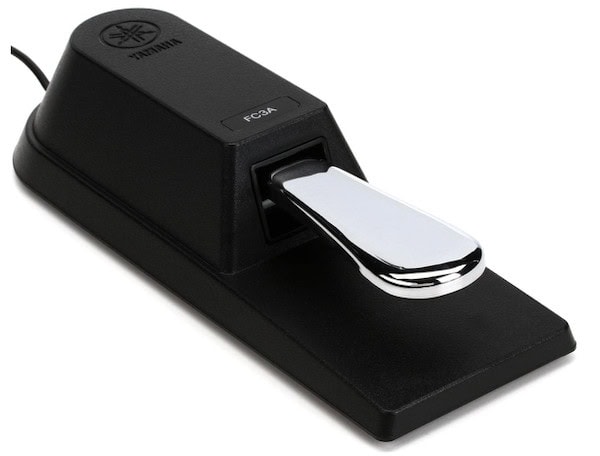
A surprising number of digital pianos don’t include essential accessories like a stand, bench, pedal, or headphones. These extras can add $100–$200+ to your total cost.
For instance, the Yamaha P-143 typically comes as a standalone unit, and to use it effectively at home, you’ll likely need:
- A proper X-style or furniture-style stand like the Yamaha L100B
- A sustain pedal like the Yamaha FC3A
- Headphones like the Yamaha HPH-50
- An adjustable bench for proper posture like the Yamaha PKBB1
Look for bundles when shopping, they often offer a better value than buying each accessory separately.
7. Buying Without Reading (or Watching) Reviews
While it’s easy to get excited by specs and star ratings, nothing replaces hands-on testing. But if you can’t demo a piano in at your local store, the next best thing is to rely on reviews.
I definitely recommend reading written reviews of individual pianos, or watching video reviews on YouTube before making a purchase. The more information you have, the better your choice of piano will be.
8. Assuming More Expensive Means Better
It’s easy to believe that a $1,000+ digital piano must be better than one that costs $600. But that’s not always true. Sometimes, higher-priced models include advanced features you will never use.

The Roland FP-10 ($550) offers great key action and sound at a lower price than many mid-range models, making it a fantastic value for beginners.
Meanwhile, the more expensive Yamaha DGX-670 ($900) might feel overwhelming if you only care about playing piano instead of arranging music or recording.
9. Ignoring Connectivity and Tech Features
Modern digital pianos often include features like:
- Bluetooth MIDI
- USB connectivity
- App integration (like Yamaha’s Smart Pianist app)
These tools make it easier to record, learn, or connect with music software. Some models, like the Roland FP-30X, offer both Bluetooth audio and MIDI, making them future-proof for tech-savvy players.
By contrast, the Yamaha P-143 offers USB-to-host, but lacks Bluetooth, which may matter depending on your goals.
10. Not Thinking Ahead
It’s natural to want to start with something simple, but you’re going to want a new piano that will mature alongside you.
Look for models that offer room to grow with features like:
- Responsive key action
- Pedal support (half-pedaling)
- Quality tone generation
Wrapping It Up
Buying a digital piano doesn’t have to be overwhelming, but it does require some planning. By avoiding these common mistakes, like ignoring key action, overlooking accessories, or deciding based on features alone, you can make a purchase that supports your musical goals for years to come.
Do you still need more help? If so, you can visit my Best Digital Pianos page for more information!